 |
|
|
|
 |
|||
 |
|||

|
|||
 |
|||

|
|||
|
|||

|
|||
|
|||

|
|||
|
|||

|
|||
|
|||

|
|||
|
|||
 |
|||
|
|||
|
|||
|
|||
|
|||
|
|||
|
|||
|
|||
|
|||
|
|||
|
|||
|
|||
|
|||
|
|||
|
|||
|
|||
 |
|||
 |
|||
 |
 |
|
|
|
|
|
 |
||
|
|
|
|||||||
|
?Press Releases |
|||||||||
|
|
|
World War I Fighter Being Built For Present-Day Fliers Lakeland, FL. April 11-15 In February 1916, the Sopwith Experimental Department approved a "Sopwith Single-Seater
For the times, the Pup was a versatile pooch. On June 28, 1917, one of the planes took off from the deck of the HMS Yarmouth using a whopping 14 feet, 9 inch ground run. With an 80-hp Le Rhone engine hanging out front, the Pup boasted a max speed of 105 mph at 5000 feet and a service ceiling of 17,500 feet. After the War, the big Bi-plane became a lost moment in history.? Even though roughly 1700 were built, no entirely genuine Pup survives to this day. Custom airplane builder Steve Culp is working to bring the old warbird back. Culp, a history buff and the owner of Culp's Specialities, began looking at the plane's clean lines and docile handling characteristics and decided the time was right for the return of the Culp Sopwith Pup--a plane that will look like the original, but will be even easier to fly and oh-so-much faster.
? |
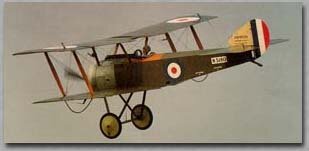 80-hp Aeroplane" and the Sopwith Pup was born. The Pup, big brother to the Sopwith Camel, performed throughout the Great War with dogged determination and quote "exemplary manoeuverability." The Pup carried fighter-and-student pilots alike from Britain, Belgium, France, Greece, and Australia and became a fast favorite of senior flight instructors who loved to fly them and guarded them jealously.
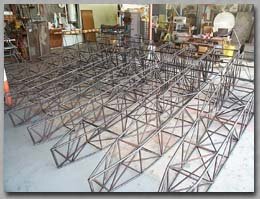 From his hangar office in Shreveport, Louisiana, Culp and his crew are working on Pup fuselages, the first of which will be delivered in May. He currently has 12 orders for fuselages and other supplemental parts and will be offering a powerplant option: a 200-hp modified Russian M14P radial or a 360-hp M14P, which is Culp's powerplant of choice. "I intend to use my Sopwith Pup to fly airshow aerobatics," says Culp. "A World War I plane with horsepower to spare is going to be an amazing sight to see. Talk about standing out from the crowd!"
 |
||||||||
|
|
|
|
Copyright Culps Specialties 1999. All rights reserved. |